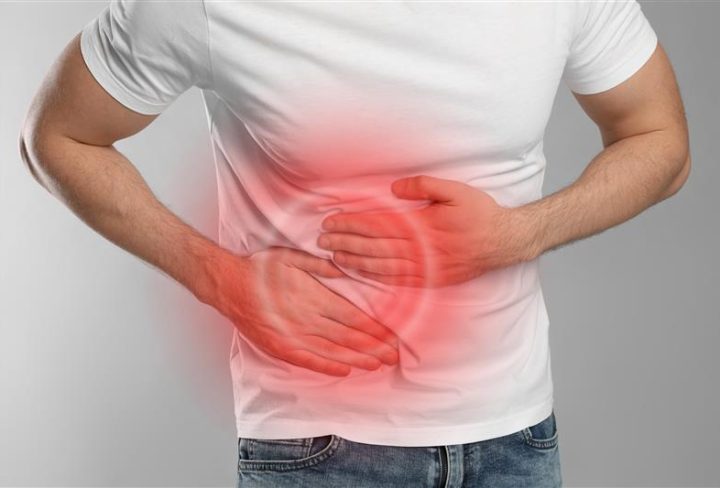
What Is Appendicitis?
Appendicitis is a sudden swelling of the appendix. The appendix is a small pouch attached to the large intestine. When it gets inflamed, it can cause severe pain. If not treated, appendicitis can become dangerous. Early care is important for a quick recovery. According to the CDC, appendicitis is a common reason for emergency surgery.
Common Symptoms of Appendicitis
Recognizing appendicitis symptoms early can help prevent serious problems. Usually, symptoms start quickly and get worse over time. Below are the most common signs:
Sometimes, symptoms can be different in children or older adults. For example, pain may be less clear or in a different spot. If you notice these signs, seek medical help right away.
Causes and Risk Factors
Appendicitis happens when the appendix gets blocked. This blockage can be caused by:
Some people are more at risk than others. For instance, appendicitis is most common in people between 10 and 30 years old. However, it can happen at any age. Family history may also raise your risk. While you cannot always prevent it, knowing the causes can help you stay alert.
How Is Appendicitis Diagnosed?
Doctors use several steps to diagnose appendicitis. First, they ask about your symptoms and check your belly for pain. Next, they may order tests to confirm the diagnosis. These tests include:
Because appendicitis can get worse quickly, it is important to seek help if you have severe belly pain, especially on the lower right side. Early diagnosis leads to better outcomes.
Appendicitis Treatment Options
Treating appendicitis usually means removing the appendix. This surgery is called an appendectomy. There are two main types:
Sometimes, doctors may give antibiotics first if the appendix has not burst. However, surgery is often needed to prevent problems. After surgery, most people recover in a few weeks. You may need to rest and avoid heavy lifting during this time.
Can You Prevent Appendicitis?
There is no sure way to prevent appendicitis. However, some healthy habits may lower your risk. For example, eating a diet high in fiber from fruits and vegetables can help keep your bowels healthy. While this does not guarantee prevention, it supports overall digestive health.
Lifestyle Tips for Recovery and Health
After appendicitis, taking care of your body is important. Here are some tips to help you recover and stay healthy:
Staying active is good, but start slowly. Over time, you can return to your usual activities.
Conclusion
In summary, appendicitis is a serious condition that needs quick care. Knowing the symptoms, causes, and treatment options can help you act fast. If you or someone you know has signs of appendicitis, do not wait. Consult a healthcare professional for advice and treatment.