Introduction
Colonoscopy is a simple test that helps doctors look inside your colon. It plays a key role in stopping colon cancer before it starts. Colon cancer is one of the most common cancers worldwide. However, with regular colonoscopy, many cases can be prevented. In this blog, you will learn about colonoscopy, its benefits, and how it helps in colon cancer prevention.
What Is a Colonoscopy?
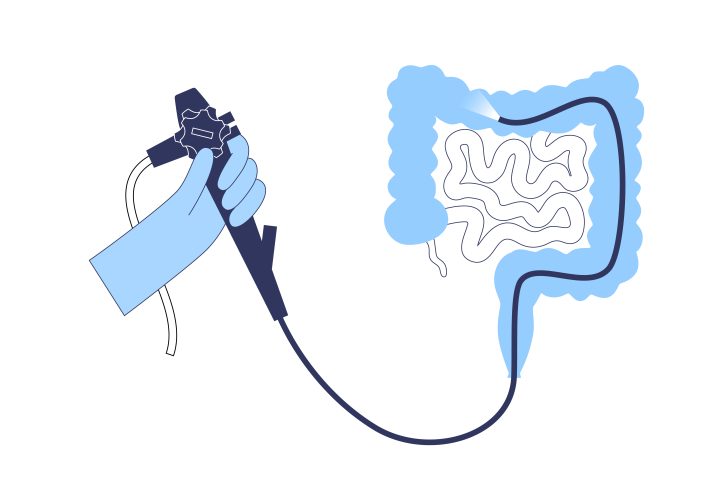
A colonoscopy is a medical test. During the test, a doctor uses a thin, flexible tube with a camera to check the inside of your colon. The colon is the last part of your digestive system. The camera helps the doctor see any changes or growths. For example, the doctor can spot small lumps called polyps. These polyps can sometimes turn into cancer if not removed. Because of this, colonoscopy is an important tool for early detection.
Why Colon Cancer Prevention Matters
Colon cancer is a serious disease. It can grow slowly and may not show symptoms at first. However, if found early, it is often easier to treat. According to the Centers for Disease Control and Prevention (CDC), colon cancer is a leading cause of cancer deaths. But, regular screening can lower your risk. Early detection means doctors can remove polyps before they become cancer. Therefore, prevention is better than cure.
How Colonoscopy Helps Prevent Colon Cancer
Colonoscopy screening benefits everyone, especially adults over 45. During the test, doctors can find and remove polyps right away. Removing these polyps stops them from turning into cancer. In addition, colonoscopy helps find cancer early, when treatment works best. Studies show that preventive colonoscopy for adults can reduce colon cancer deaths by up to 60%. Because of these reasons, colonoscopy is a powerful tool for colon cancer early detection.
Who Should Get a Colonoscopy?
Most people should start colonoscopy screening at age 45. However, some may need it earlier. For example, you may need a colonoscopy sooner if you:
It is important to talk to your doctor about your risk. They can help you decide when to start screening.
What to Expect During the Procedure
Before the test, you will need to clean out your colon. Your doctor will give you special instructions. Usually, you will drink a liquid that helps clear your bowels. On the day of the test, you will get medicine to help you relax. The doctor will gently insert the tube into your colon. The test usually takes about 30 to 60 minutes. Most people feel little or no pain. After the test, you may feel a bit tired, but you can go home the same day.
Tips for a Successful Colonoscopy
Because good preparation helps your doctor see clearly, it is important to follow these tips.
Frequently Asked Questions
In summary, colonoscopy is a key step in preventing colon cancer. It helps find and remove polyps before they turn into cancer. Because early detection saves lives, regular screening is important. Consult a gastroenterologist to learn if a colonoscopy is right for you.