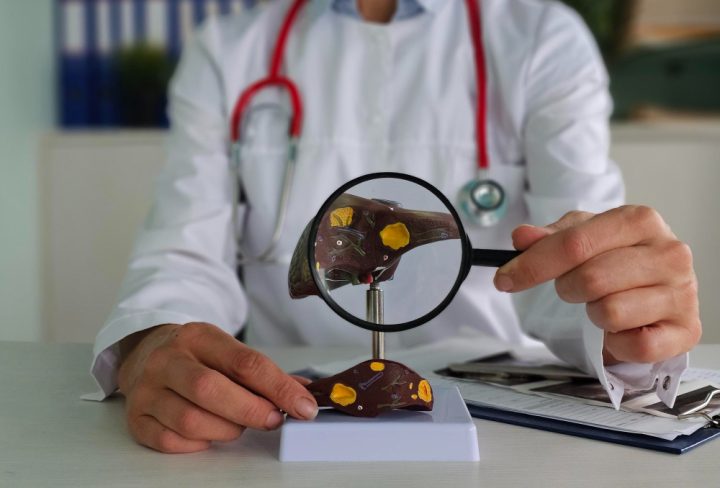
What is Liver Cirrhosis?
Liver cirrhosis is a condition where healthy liver tissue is replaced by scar tissue. As a result, the liver cannot work as it should. Over time, this progressive liver damage can lead to serious health problems. The liver helps your body digest food, store energy, and remove toxins. However, when scar tissue builds up, these important jobs become harder for the liver to do. According to the World Health Organization (WHO), liver cirrhosis is a leading cause of illness worldwide.
Common Symptoms of Liver Cirrhosis
Often, liver cirrhosis develops slowly. Because of this, you may not notice symptoms right away. Still, as the disease gets worse, signs of liver cirrhosis can appear. For example, you might notice:
Because these symptoms can be mild at first, it is important to watch for changes in your health.
Causes and Risk Factors
There are many causes of liver cirrhosis. Most often, long-term liver damage leads to this condition. Some common causes and risk factors include:
Additionally, having more than one risk factor can increase your chances of developing progressive liver damage.
How is Liver Cirrhosis Diagnosed?
Doctors use several methods to diagnose liver cirrhosis. First, they ask about your symptoms and medical history. Next, they may perform a physical exam. To confirm the diagnosis, doctors often order tests such as:
Because early diagnosis can help slow the disease, it is important to see a doctor if you notice any signs of liver cirrhosis.
Treatment Options
While liver cirrhosis cannot be cured, treatment options can help manage symptoms and slow further damage. For example, your doctor may recommend:
Because each person is different, your doctor will create a treatment plan that fits your needs.
Lifestyle Tips for Managing Liver Cirrhosis
Living with liver cirrhosis can be challenging. However, healthy habits can make a big difference. Here are some tips:
Additionally, regular check-ups help your doctor monitor your liver health.
Prevention Strategies
Preventing liver cirrhosis is possible in many cases. To lower your risk, you can:
Because prevention is easier than treatment, these steps can protect your liver from progressive damage.
When to See a Doctor
Sometimes, symptoms of liver cirrhosis can be mild. However, you should see a doctor if you notice:
Early medical care can help manage liver cirrhosis and prevent serious problems.
For personalized advice on liver cirrhosis, consult a healthcare specialist.