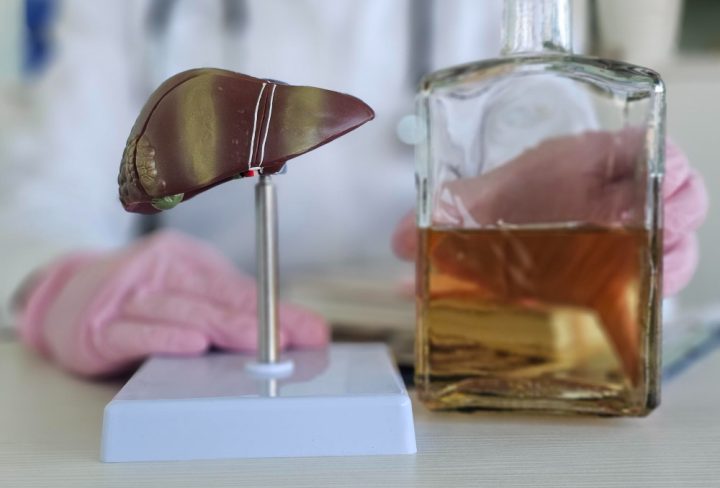
What is Alcoholic Hepatitis?
Alcoholic Hepatitis is a type of liver inflammation caused by drinking too much alcohol. The liver helps clean your blood and supports many body functions. However, heavy alcohol use can damage liver cells. Over time, this damage leads to swelling and scarring. Alcoholic Hepatitis symptoms often appear after years of drinking, but sometimes they can show up sooner. Recognizing these signs early can help prevent serious health problems.
Common Symptoms of Alcoholic Hepatitis
Alcoholic Hepatitis symptoms can range from mild to severe. Some people may not notice any signs at first. However, as the condition worsens, symptoms become more obvious. Here are the most common signs of liver inflammation from alcohol:
Sometimes, early warning signs of Alcoholic Hepatitis are easy to miss. For example, you may only feel tired or lose your appetite. But even mild symptoms can signal liver trouble.
How Symptoms May Progress or Worsen
At first, symptoms may be mild. But if you keep drinking alcohol, they can get worse. Over time, the liver may stop working well. As a result, you might notice more swelling in your belly or legs. You could also develop bleeding or bruising easily. In severe cases, confusion or sleepiness can occur. These are signs that the liver is struggling to filter toxins from your blood. If left untreated, Alcoholic Hepatitis can lead to liver failure, which is life-threatening.
When to Seek Medical Attention
If you notice any signs of Alcoholic Hepatitis, you should see a doctor right away. Early warning signs, such as yellow skin, stomach pain, or confusion, need quick attention. Sometimes, symptoms can get worse quickly. If you have severe belly pain, vomiting blood, or trouble staying awake, call emergency services. Acting fast can help prevent serious problems.
Diagnosis and Why Early Detection Matters
Doctors use blood tests, physical exams, and sometimes imaging scans to diagnose Alcoholic Hepatitis. They may also ask about your drinking habits. Early detection is important because it can stop further liver damage. According to the CDC, getting help early can improve your chances of recovery. In some cases, stopping alcohol use and starting treatment can even reverse some liver damage.
Lifestyle Guidance for Those at Risk
If you drink alcohol often, you may be at risk for Alcoholic Hepatitis. But you can take steps to protect your liver. First, try to limit or stop drinking alcohol. If you need help, talk to your doctor or join a support group. Eating a healthy diet and staying active can also support liver health. In addition, regular check-ups can catch problems early.
Prevention Tips for Alcoholic Hepatitis
Preventing Alcoholic Hepatitis is possible. Here are some tips to lower your risk:
By following these steps, you can help keep your liver healthy and avoid serious problems.
Conclusion
Alcoholic Hepatitis symptoms can be mild or severe, but they should never be ignored. Early warning signs, such as yellow skin or tiredness, may point to liver inflammation from alcohol. If you notice any symptoms of Alcoholic Hepatitis, consult a healthcare professional for personalized advice.