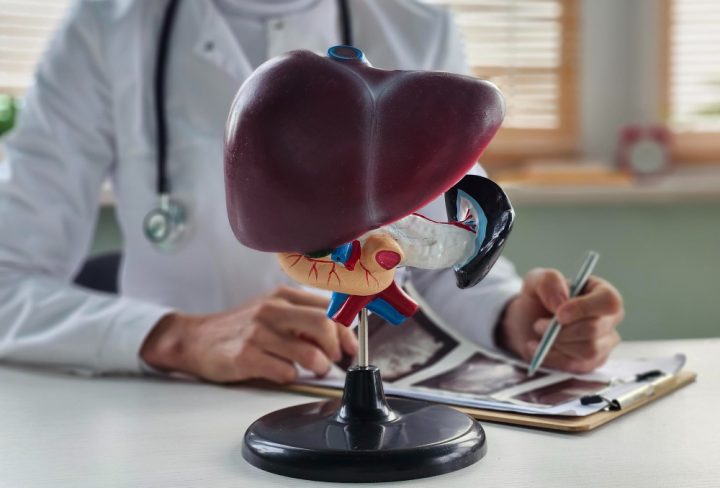
What is Hepatitis B?
Hepatitis B is a viral infection that affects the liver. It can cause both short-term and long-term illness. According to the World Health Organization (WHO), millions of people worldwide live with hepatitis B. The virus spreads through blood, semen, or other body fluids. Because hepatitis B can be serious, it is important to know the facts about this disease.
Causes of Hepatitis B
Hepatitis B is caused by the hepatitis B virus (HBV). The virus enters the body through contact with infected fluids. For example, you can get hepatitis B by:
However, you cannot get hepatitis B from casual contact, such as hugging or sharing food.
Common Symptoms
Many people with hepatitis B do not notice symptoms at first. Sometimes, symptoms appear months after infection. Still, knowing the signs can help you seek care early. Common hepatitis B symptoms include:
But, some people may have mild or no symptoms at all. Therefore, regular testing is important if you are at risk.
How Hepatitis B is Diagnosed
Doctors use blood tests to check for hepatitis B. These tests look for the virus or signs of infection in your blood. If you wonder, “How is hepatitis B diagnosed?” here are the main steps:
Early diagnosis helps prevent liver damage. For this reason, talk to your doctor if you think you may have been exposed.
Treatment Options
Hepatitis B treatment options depend on how long you have had the infection. For many people, the infection goes away on its own. However, some people develop chronic hepatitis B, which lasts longer than six months. In these cases, treatment may include:
Doctors follow guidelines from the Centers for Disease Control and Prevention (CDC) and WHO to choose the best treatment. Even so, not everyone needs medicine. Your doctor will help decide what is right for you.
Prevention Tips
Preventing hepatitis B is possible. The best way is to get the hepatitis B vaccine. The vaccine is safe and effective. In addition, you can lower your risk by:
Because the virus spreads through blood and body fluids, these steps can help protect you and others. For more details, visit the CDC or WHO websites.
Living with Hepatitis B
Many people with hepatitis B live healthy lives. Still, regular doctor visits are important. With the right care, you can manage the infection and lower the risk of liver problems. Here are some tips for living well with hepatitis B:
Remember, support from family and friends can make a big difference. If you have questions, talk to your healthcare provider.
Consult a healthcare professional for personalized advice about hepatitis B.