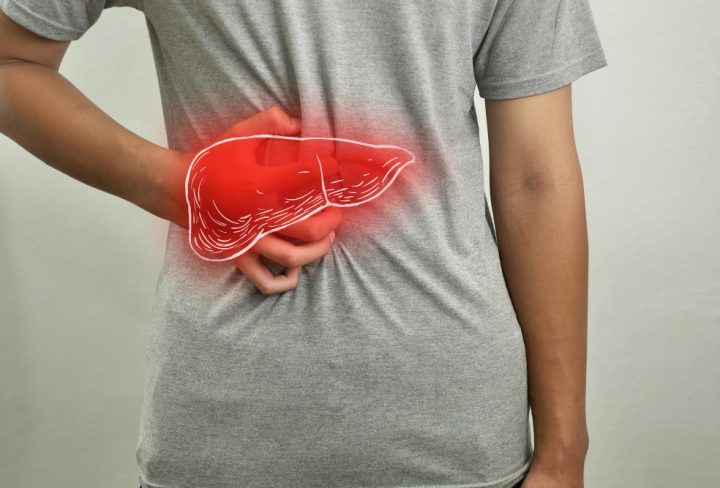
What is Fatty Liver?
Fatty liver happens when extra fat builds up in the liver. This condition is also called hepatic steatosis. The liver is a vital organ that helps your body digest food and remove toxins. However, when too much fat collects in the liver, it can lead to health problems. Many people do not know they have fatty liver because it often causes no symptoms at first. Still, it is important to understand the risks of fatty liver and how to manage it.
Common Causes of Fatty Liver
There are several reasons why someone might develop fatty liver. For example, some causes are related to lifestyle, while others are linked to health conditions. Here are the most common causes:
Because these factors are common, many people are at risk for fatty liver. But, making healthy choices can help lower your risk.
Symptoms and Early Warning Signs
Often, fatty liver does not cause clear symptoms. However, some people may notice early warning signs. For instance, you might feel tired or have mild pain in the upper right side of your belly. Other possible symptoms include:
Even though these symptoms are mild, it is important to pay attention. If you notice any of these signs, you should talk to your doctor.
Potential Consequences and Health Risks of Fatty Liver
Fatty liver can lead to serious health problems if not managed. Over time, the extra fat can cause inflammation and damage to liver cells. As a result, you may develop more severe conditions. Some possible fatty liver complications include:
Because these risks of fatty liver are serious, early detection and treatment are very important. According to the CDC and WHO, liver disease is a growing health concern worldwide.
Diagnosis: How Fatty Liver is Detected
Doctors use several methods to diagnose fatty liver. First, they may ask about your medical history and lifestyle. Next, they may do a physical exam. Common tests include:
Because fatty liver often has no symptoms, these tests are key for early detection. If you have risk factors, your doctor may suggest regular check-ups.
Treatment Options and Management
There is no single medicine to cure fatty liver. However, you can manage the condition with healthy habits. Doctors may recommend:
In some cases, your doctor may suggest other treatments based on your health needs. Early action can help prevent fatty liver complications.
Lifestyle Tips for Prevention and Better Liver Health
Simple lifestyle changes can help protect your liver. For example, you can:
Because prevention is easier than treatment, these steps can make a big difference. Even small changes can help lower your risk of fatty liver.
When to See a Doctor
If you have risk factors or notice symptoms, you should see a doctor. For instance, if you feel tired often or have pain in your upper right belly, get checked. Also, if you have diabetes, high cholesterol, or are overweight, regular liver checks are wise. Early care can help prevent fatty liver consequences and keep your liver healthy.
In summary, fatty liver is common but can be serious if ignored. However, with healthy habits and regular check-ups, you can lower your risks. For personalized advice, consult your healthcare specialist today.