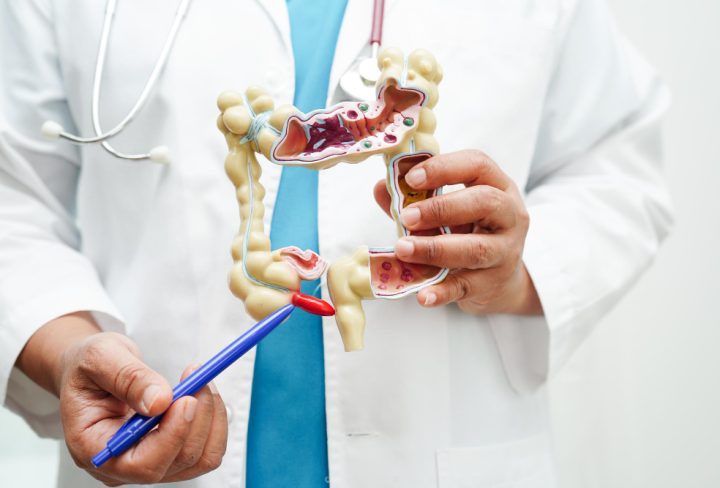
What Are Colon Polyps?
Colon polyps are small growths that form on the lining of the colon or rectum. While most polyps are harmless, some can turn into colorectal cancer over time. Because of this risk, early detection and removal are very important. Colon polyps are common, especially in adults over 50. However, anyone can develop them. Understanding what colon polyps are can help you take steps to protect your colon health.
Symptoms and Risk Factors
Often, colon polyps do not cause any symptoms. Still, some people may notice:
However, many polyps are found during routine screening before symptoms appear. Several risk factors can increase your chances of developing colon polyps or colorectal cancer. For example, age is a major factor. People over 50 are at higher risk. In addition, a family history of colon polyps or colorectal cancer raises your risk. Other risk factors include:
How Colon Polyps Are Diagnosed
Because colon polyps often have no symptoms, regular screening is key. Colonoscopy is the most common and effective test for finding polyps. During a colonoscopy, a doctor uses a thin, flexible tube with a camera to look inside your colon. If polyps are found, they can often be removed during the same procedure. Other tests include:
For most adults, screening should begin at age 45, according to the CDC. However, if you have higher risk factors, your doctor may recommend starting earlier.
Prevention Strategies for Colon Polyps and Colorectal Cancer
Fortunately, there are steps you can take to lower your risk of colon polyps and colorectal cancer. Early detection through regular screening is the most effective way to prevent cancer. In addition, making healthy lifestyle choices can help. Some proven prevention strategies include:
Because some risk factors, like age or family history, cannot be changed, focusing on what you can control is important.
Lifestyle Tips for Colon Health
Supporting your colon health every day can make a big difference. For example, eating more fiber helps keep your bowels regular. Drinking plenty of water is also important. In addition, try these tips:
Although these steps may seem simple, they can help protect your colon over time.
When to See a Doctor
If you notice blood in your stool, ongoing changes in bowel habits, or unexplained weight loss, see a doctor right away. Even if you feel healthy, regular screening is important, especially if you are over 45 or have risk factors. Early detection of colon polyps can prevent colorectal cancer before it starts. Your doctor can help you decide when and how often to get screened.
In summary, colon polyps are common but can lead to colorectal cancer if not found early. Regular screening and healthy habits are your best defense. Consult a gastroenterologist for personalized advice on colon polyp screening and prevention.