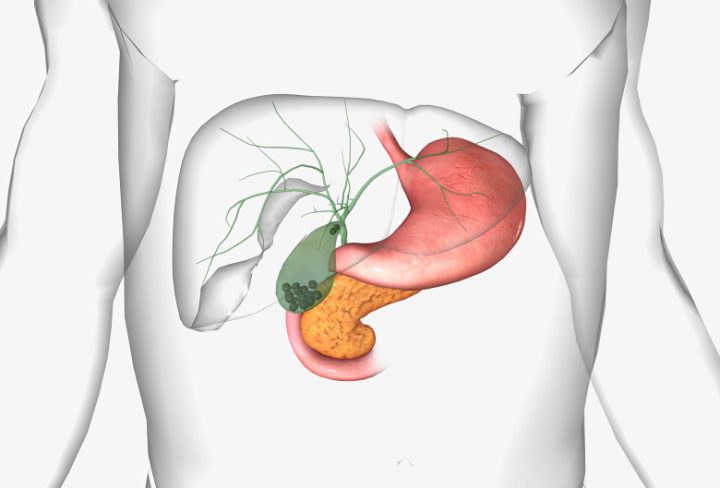
What Are Gallstones?
Gallstones are small, hard pieces that form in the gallbladder. The gallbladder is a small organ under your liver. It stores bile, which helps digest fat. Sometimes, substances in bile can stick together and form stones. Because gallstones often cause no symptoms at first, many people do not know they have them. However, when a gallstone blocks a duct, it can cause sudden upper abdominal pain. This pain is a common reason people visit the emergency room. According to the CDC, gallstones are a leading cause of digestive problems in adults.
Common Symptoms of Gallstones
Although gallstones may not always cause problems, they can lead to pain and other symptoms. Often, symptoms appear when a stone blocks the flow of bile. For example, you might notice:
Sometimes, the pain starts after eating a fatty meal. However, not everyone with gallstones will have these symptoms. If you notice any of these signs, it is important to seek medical help.
Causes and Risk Factors
Gallstones form when there is an imbalance in the substances that make up bile. For instance, too much cholesterol or bilirubin can lead to stone formation. Several factors can increase your risk of developing gallstones:
Because these risk factors are common, gallstones affect millions of people worldwide. The CDC notes that women are more likely to develop gallstones than men.
How Gallstones Are Diagnosed
Doctors use several methods to find out if you have gallstones. First, they will ask about your symptoms and medical history. Next, they may perform a physical exam. Often, imaging tests help confirm the diagnosis. These tests include:
Because gallstones can be silent, they are sometimes found during tests for other conditions. Early diagnosis helps prevent complications.
Treatment Options for Gallstones
Treatment depends on your symptoms and the size of the stones. If you have no symptoms, you may not need treatment right away. However, if you have pain or other problems, your doctor may suggest:
Because each case is different, your doctor will help you choose the best option. If you are looking for gallstone treatment in your area, ask your healthcare provider about local options.
Lifestyle Tips and Prevention
While not all gallstones can be prevented, healthy habits may lower your risk. For example, you can:
Because sudden changes in weight can trigger gallstones, aim for steady progress. These steps can help protect your gallbladder and overall health.
When to See a Doctor
If you have sudden upper abdominal pain, do not ignore it. Especially if the pain is severe, lasts more than a few hours, or comes with fever, vomiting, or yellow skin, you should seek medical care right away. Early treatment can prevent serious problems, such as infection or damage to your organs. Remember, only a healthcare professional can diagnose and treat gallstones safely.
If you experience sudden upper abdominal pain, consult a healthcare specialist for personalized advice.